
Cozeware Air Conditioner Review: Can You Really Install It Yourself?
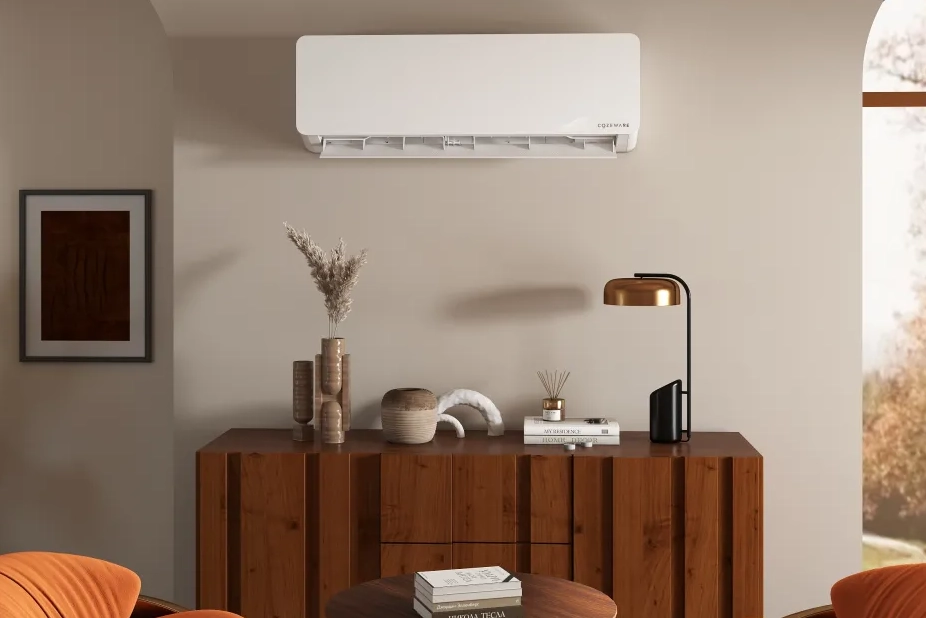
Cozeware sells ductless mini split air conditioners with heat pumps, priced between roughly $400 and $1,000, aimed squarely at people who intend to install them without hiring an HVAC contractor.
So the review that matters is not whether it cools. Reviewers agree it does. It is whether you can actually get it on the wall and running, because that is where the money is saved and where the complaints live.
What Installing One Actually Involves
Before any model talk, be honest with yourself about this list:
- A dedicated electrical circuit run from your breaker panel, which is the part most people need an electrician for
- A hole drilled through an exterior wall for the line set
- An outdoor mounting bracket or pad for the condenser, which is sold separately rather than included
- A condenser drain line, also sold separately
- Connecting the refrigerant valves, which needs the right tools
- Bending the supplied copper line set to route it, which reviewers describe as thin and hard to bend
A 115V model can often run from a standard household circuit, which is why those units are the realistic DIY option. A 230V model needs a dedicated 230V line and that is electrician territory in most homes.
Reviewers describe the installation as easy, with a consistent caveat that the instructions could be clearer. If you have run cable, drilled through a wall and used hand tools, you will likely manage. If the words breaker panel make you uneasy, budget for an electrician and treat the unit price as part of the cost rather than the whole of it.
Sizing: Get the BTU Right First
Rough guide for a reasonably insulated room:
- 9,000 BTU: around 350 to 400 square feet. A bedroom or a small office
- 12,000 BTU: around 450 to 550 square feet. A large bedroom, a living room or a one car garage
- 18,000 BTU: around 700 to 1,000 square feet. An open plan living area
- 24,000 BTU: around 1,000 to 1,400 square feet. A large open space or a workshop
Oversizing is a real mistake rather than a safe bet. A unit too large for the room cools fast, shuts off, and never runs long enough to pull humidity out of the air, so the room feels cold and clammy. Measure the space before choosing.
The Three Series, With Prices
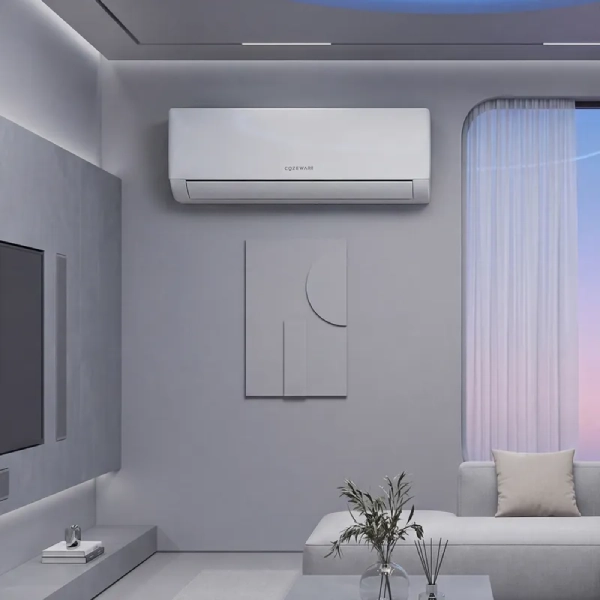
All prices below are the listed sale prices, each shown against a higher original figure, so treat them as the current promotional level rather than a fixed price.
Visio Series: the value line
- 9,000 BTU, 18 SEER2, 115V: $399.99
- 12,000 BTU, 20 SEER2, 115V: $529.99
- 12,000 BTU, 20 SEER2, 230V: $499.99
- 18,000 BTU, 20 SEER2, 230V: $649.99
- 24,000 BTU, 20 SEER2, 230V: $899.99
E-Save Series: adds an AI chip and better heating
- 12,000 BTU, 20 SEER2, 10 HSPF2, 115V: $559.99
- 12,000 BTU, 20 SEER2, 10 HSPF2, 230V: $549.99
- 18,000 BTU, 20 SEER2, 10 HSPF2, 230V: $729.99
- 24,000 BTU, 20 SEER2, 9.5 HSPF2, 230V: $999.99
Enduring Series
- 9,000 BTU, 18 SEER2, 115V: $399.99
- 12,000 BTU, 20 SEER2, 115V: $526.99
- 24,000 BTU, 20 SEER2, 230V: $899.99
The number worth paying attention to is HSPF2, which only the E-Save line publishes. SEER2 measures cooling efficiency and HSPF2 measures heating efficiency. If you plan to use the heat pump through winter rather than just cooling in summer, the E-Save line is the one that tells you how well it heats, and 10 HSPF2 is a reasonable figure.
If you only want cooling, the Visio 12,000 BTU at $499.99 on 230V or $529.99 on 115V has the same 20 SEER2 rating for less money. Note the 115V version costs slightly more, which is the opposite of what you might expect, and it is the version most DIY installers actually want.
Some models include Wi-Fi app control, and a 38dB quiet operation figure is claimed on the 24,000 BTU unit. Confirm Wi-Fi on the specific listing rather than assuming it across the range.
What the Reviews Say
- Trustpilot: 4.3 out of 5, from 97 reviews in the last twelve months
- Star breakdown: 70% five star, 17% four star, 4% three star, 1% two star, 8% one star
- Cozeware replies to 66% of negative reviews, usually within 24 hours, though many replies are templated and point to a help page
What works
- Fast shipping and delivery, mentioned repeatedly
- DIY installation that people completed successfully
- Quiet operation
- Effective cooling
- Pricing described as affordable and a warranty described as fair
- Responsive customer service in several reviews
What goes wrong
- Missing small parts, specifically wall plate screws and the tools needed for the refrigerant valves
- Defective or damaged units on arrival, including one that came with no packing and one that shipped without refrigerant
- Units blowing warm air or stopping work, with slow resolution
- Order cancellations and refunds that delayed scheduled installations
- Phone support callbacks taking days
- The supplied copper line described as thin and hard to bend
The missing parts complaint is the most actionable one. Open the boxes and inventory every component against the parts list the day it arrives, before you book an electrician or take a day off work. A missing wall plate screw found on install day costs you the whole day.
The unit shipped without refrigerant is worth knowing about too. Most of these systems come with the refrigerant pre charged in the outdoor unit, which is what makes DIY installation possible at all. If it arrives empty you need an HVAC technician with gauges, and the saving disappears. Verify the charge before starting.
Warranty, Shipping and Returns
- 7 year warranty on the compressor
- 5 year warranty on parts
- 30 day return window
- Free shipping on all orders
Seven years on the compressor is genuinely competitive, and the compressor is the expensive part. Five years on parts is reasonable for this price bracket. Reviewers describing the warranty as fair is consistent with those terms.
One caution on the warranty. Self installed HVAC equipment often has conditions attached around correct installation, and a system that fails because of an installation error is a different claim from a manufacturing defect. Ask in writing what DIY installation does to your coverage before you start drilling.
One Transparency Gap Worth Noting
The website does not publish a company address or a direct phone number. Contact is through social links and a chat widget, and reviewers mention phone callbacks taking days.
For a $500 appliance that will be bolted to your house and relying on a seven year compressor warranty, that is a reasonable thing to want. Ask for the warranty service address and a support number in writing before buying, and keep your order confirmation, since that is what any future claim will rest on.
Contact Details
- Website: cozeware.com
- Support: chat widget on the site, plus social media channels
- No published company address or direct phone number, which is a gap worth raising before purchase
- Returns: within 30 days
- Separate accessories: outdoor wall mounts and condenser drain lines are sold separately
FAQs
Is Cozeware a good brand?
Reviews are positive, at 4.3 out of 5 from 97 reviews in the last year with 70% at five stars. Praise centres on price, quiet operation and successful DIY installs. Complaints centre on missing parts and the occasional defective unit, plus slow resolution when something does go wrong.
Can I install a Cozeware mini split myself?
Many buyers do. You need a dedicated circuit from the breaker panel, a hole through an exterior wall, tools for the refrigerant valves, and a separately purchased wall mount and drain line. A 115V model is the realistic DIY choice, since a 230V unit usually needs an electrician for the supply.
How much does a Cozeware air conditioner cost?
Listed sale prices run from $399.99 for a 9,000 BTU unit to $999.99 for a 24,000 BTU E-Save model. A 12,000 BTU unit sits between roughly $500 and $560 depending on series and voltage.
What size Cozeware do I need?
Roughly 9,000 BTU for 350 to 400 square feet, 12,000 for 450 to 550, 18,000 for 700 to 1,000 and 24,000 for 1,000 to 1,400. Do not oversize, since a unit too large shuts off before it removes humidity and leaves the room feeling clammy.
What is the Cozeware warranty?
Seven years on the compressor and five years on parts, with a 30 day return window and free shipping. Ask in writing how self installation affects coverage before you begin.
What is the difference between the Visio and E-Save series?
The E-Save adds an AI chip and publishes an HSPF2 heating efficiency figure, which the Visio does not. If you want the heat pump for winter, choose E-Save. If you only want cooling, the Visio has the same 20 SEER2 rating for less money.
Does Cozeware come pre charged with refrigerant?
These systems are normally pre charged, which is what makes DIY installation possible. At least one reviewer reported a unit shipped without refrigerant, so verify the charge before you start the installation rather than after.
Final Verdict
Good value hardware with a strong compressor warranty, provided you inventory the box before you book anyone.
A 12,000 BTU inverter mini split at 20 SEER2 for around $500, with seven years on the compressor and free shipping, is a legitimately good price. The reviews support the basics: it is quiet, it cools, and plenty of people installed it themselves. For a garage, a workshop, a basement or a room your central system never reaches, this is a sensible purchase.
The failure mode is logistical rather than mechanical. Missing screws, missing valve tools, the occasional damaged unit and one report of no refrigerant, combined with phone callbacks taking days and no published company address or phone number.
So the process matters. Measure the room and size it correctly. Choose 115V if you are installing it yourself. Open every box and check every part against the list the day it arrives. Confirm the refrigerant charge. And get the warranty position on self installation in writing before the first hole goes in the wall.