Balcony Gardens for Very Small Spaces
Wind and weight decide a balcony garden, not plant choice. What to check first and what actually survives up there.
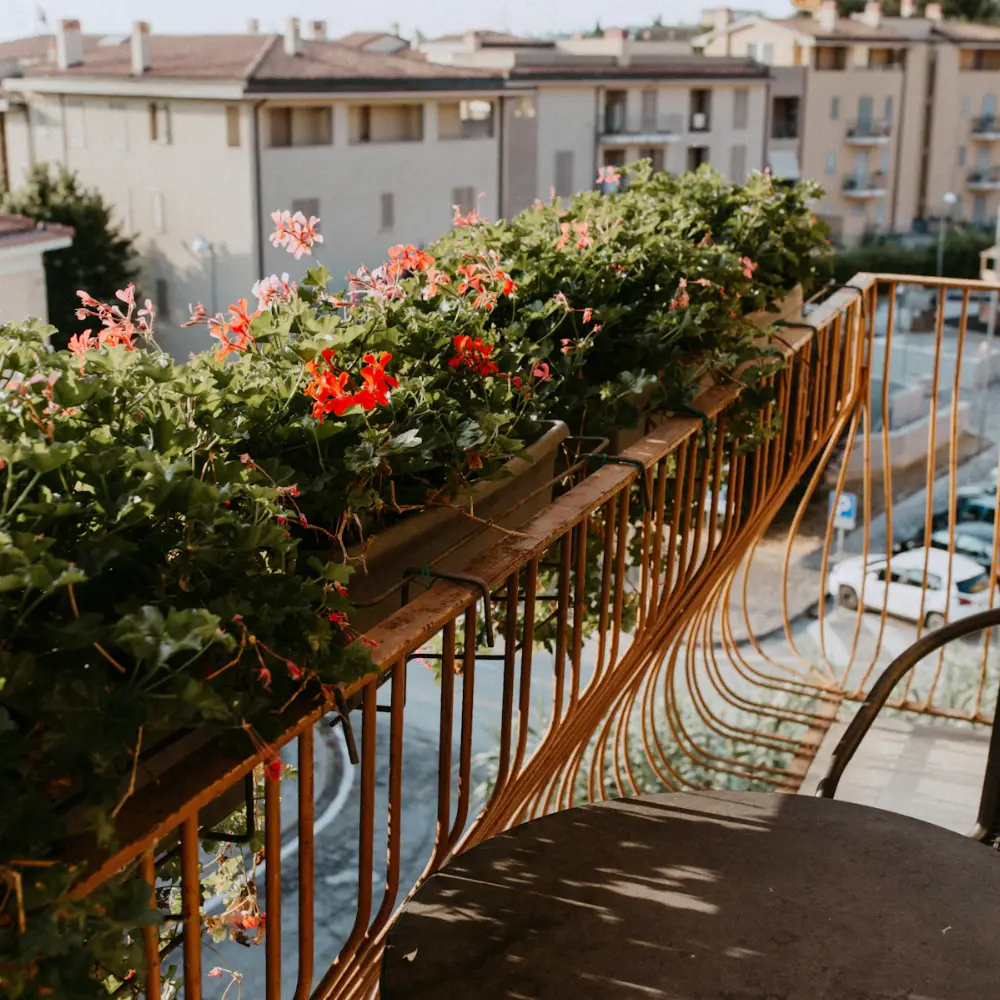
An editorial piece on planting and layout. Balcony load limits, fixings and drainage are governed by local building rules and by your lease or building management, and must be checked with them rather than assumed from anything here.
Balcony planting fails in the first six weeks or it lasts for years, and the difference is almost never the plants. It is wind, weight and water, in that order, and all three get decided before anything is bought.
Wind is the thing that kills
A balcony three floors up is a different climate to the garden below it. Wind accelerates around a building, so a plant that is perfectly happy at ground level in the same postcode will be shredded at the railing.
Wind also dries. Soil in an exposed pot loses moisture far faster than soil in the ground, which is why so many balcony plants die of drought in a rainy month. The plant was not thirsty for rain. It was being blow-dried.
The fix is shelter rather than species. A screen, a trellis with something tough on it, or simply putting the planting against the building wall instead of along the rail will change what survives more than any plant list.
Weight is the thing nobody checks
Wet soil is heavy, and a row of large planters full of it is a serious load in a place that was not designed as a garden.
Every balcony has a limit, that limit varies by building and by jurisdiction, and the only correct source for yours is your building management, your lease or a structural professional. We are not going to print a number here, because printing one would be the least useful thing in this article.
Two practical habits regardless of the limit. Keep the heaviest containers close to the building wall rather than out at the edge, and favour plastic or fibreglass planters with lightweight compost over stone or concrete. Weight saved on the pot buys you soil volume, and soil volume is what keeps plants alive in container gardening.
Water, and the three day rule
The honest constraint of a balcony garden is that small pots in wind need watering most days in summer. Anything that dies after a long weekend away is not the plant's fault.
- Choose the largest containers the weight allowance and the space permit, since a big pot holds moisture for days and a small one for hours.
- Group pots together rather than spacing them out, because clustered pots shade each other's sides and lose less water.
- Mulch the surface with gravel or bark, which cuts evaporation from the top of the compost for the price of a bag.
- Put saucers under everything, both to hold a reserve and to stop water running onto a neighbour's balcony, which is the fastest way to end a balcony garden by committee.
What actually thrives up there
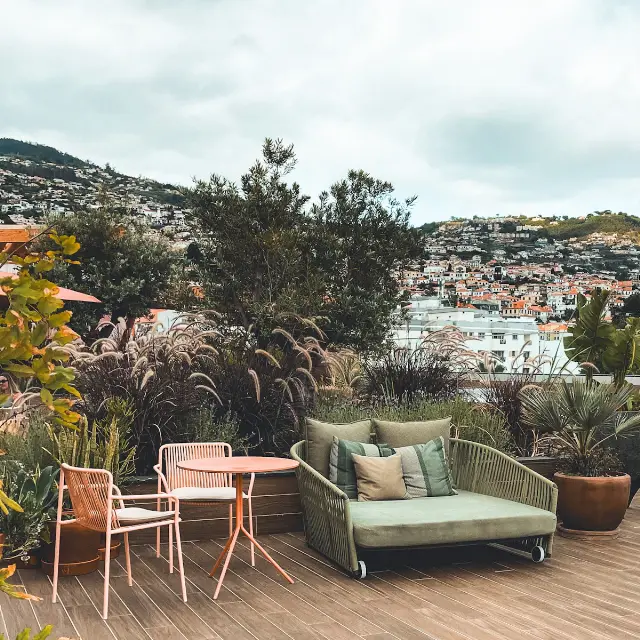
The survivors tend to be plants from dry, windy, poor-soil places. Rosemary, thyme, lavender, sedum and most ornamental grasses handle exposure well and forgive a missed watering.
Grasses in particular earn their place because wind stops being a problem and becomes the point, as the whole planting moves. Soft leafy things like hydrangeas and most salads want shelter and constant moisture, which is a harder brief on a windy ledge.
Making a small space feel like a garden
Height does more than floor area. One tall plant or a trellis against the wall gives the space a sense of enclosure that six low pots on the ground cannot.
And leave somewhere to sit. A balcony packed with container gardening and no room for a chair becomes a maintenance task rather than a place, and the whole point was the ten minutes you spend out there with a coffee.
An editorial piece on exposure, weight and planting choices. Balcony load capacity, fixings, drainage and planting permissions vary by building and jurisdiction and must be confirmed with your building management, lease or a qualified structural professional. Plant suitability depends on your local climate and aspect.